Atera for
IT Departments
Save hours every day by automating 99% of your work.


Your users' search engines didn't glitch back to Yahoo, something changed them. Resetting without finding the cause won't stop it. Bundled installers, rogue extensions, and device sync can all quietly hijack the default search provider, and each needs a different fix to stick. Here's how to spot the cause, remove it for good, and lock the setting down so it can't happen again.
Read now
A single PC either meets Windows 11's requirements or it doesn't, and guessing wrong costs you a failed upgrade mid-rollout. Microsoft's PC Health Check app settles that question in one click, flagging TPM gaps, unsupported processors, and compatibility holds before they become a problem on go-live day.
Read now
The path to absorption of enterprise AI technology often stalls in the adoption phase, where users might speed up some tasks incrementally. But organizations that move to the absorption stage can get real value from AI, rethinking their operating model to incorporate true autonomy that saves time and helps IT become proactive.
Read now
Your mouse wheel isn't broken. tmux is just managing its own scrollback separately from your terminal, which is why Page Up and mouse scroll suddenly stop working the second you open a session. Once you know how to enter copy mode, switch to vi-style navigation, or turn on mouse support, scrolling back through a busy pane becomes second nature instead of a guessing game.
Read now
A full drive doesn't just run slow, it can quietly block the security updates your system depends on. Disk Cleanup clears the safe stuff automatically, but knowing what it actually removes, what it won't touch, and why some files are permanently off limits is what keeps you from deleting the wrong thing at 2 AM.
Read now
Comparing Gorelo against its alternatives? We break down 7 alternative options on features, pricing, and reviews.
Read now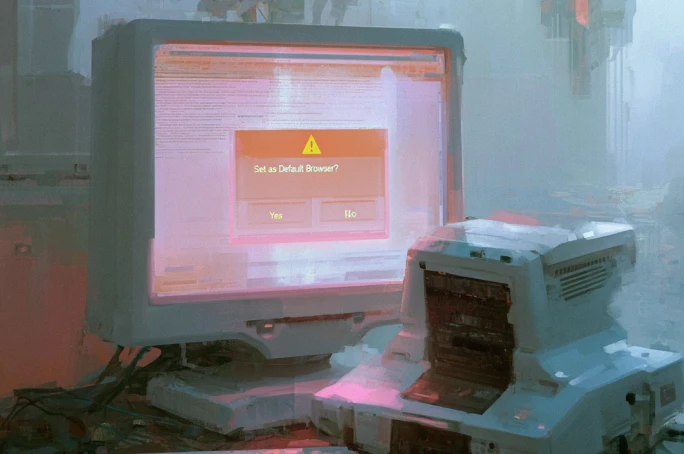
Your browser default isn't broken, it's being overridden. Windows quietly reasserts Edge through updates, background processes, and enterprise policy, which is why a manual fix rarely survives the next patch. Here's what's actually causing the reset, and how to lock your choice in permanently, whether you're fixing one machine or a hundred.
Read now
That file your user just opened wasn't a PDF. Windows hides file extensions by default, which means malware disguised as document.pdf.exe can look exactly like the real thing to anyone who isn't paying close attention. Having file extensions shown is a security requirement.
Read now
A full breakdown of Atera vs. Patch My PC: pricing, Agentic AI, patch management, and real user reviews, so you can pick the right fit.
Read now
IT teams have labored for years on repetitive tasks, tied to the reactive help desk model. That model became a bottleneck along the way, but it’s time for a technological and mindset shift toward proactivity for IT to become a strategic partner.
Read now
Passive dashboard-watching won’t cut it. Ensuring strong enterprise uptime requires attention to endpoint monitoring, alerting, automated patching, autonomous issue resolution, and more.
Read now
Some apps won't run correctly without admin rights. They fail silently, crash on launch, or lose functionality the moment UAC restricts their token. Here's how to force persistent elevation using five methods, from shortcut properties to the registry, plus how to deploy those settings at scale without touching every machine individually.
Read now
A node sounds like a basic term until it's the reason an attacker got in. Misconfigured access and segmentation at the node level are now a leading cause of breaches. Understanding what a node actually is, and how it behaves across modern, virtualized, and distributed networks can be the difference between a network you can trust and one that's quietly exposed.
Read now
KB5079473 rolled back on your machine and left it unpatched. The error code tells you where to start, whether it's corrupted components, a stuck download, or a driver conflict depending on your hardware. Here's the full escalation path, from the update troubleshooter to offline DISM installation.
Read now
Pausing Windows Defender is sometimes the right call. False positives, performance hits, and controlled testing are some real reasons to do it. But "temporarily" means something very different when attackers move from initial access to lateral movement in under 30 minutes.
Read now
Dark mode in Outlook sounds simple, but that's not true. Classic Outlook, New Outlook, OWA, Mac, iOS, and Android all use separate settings and none of them sync. Change one and the rest stay exactly as they were. But there are some ways to sync them and fixes that work for every platform.
Read now